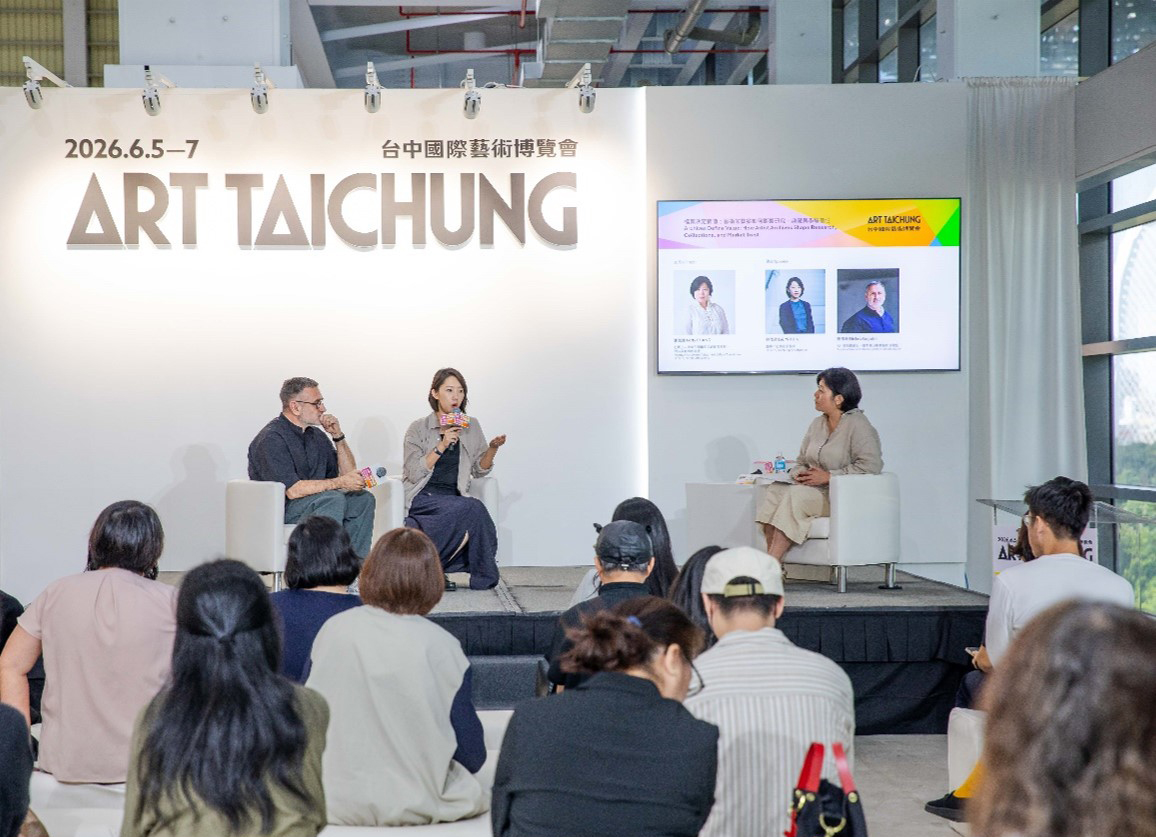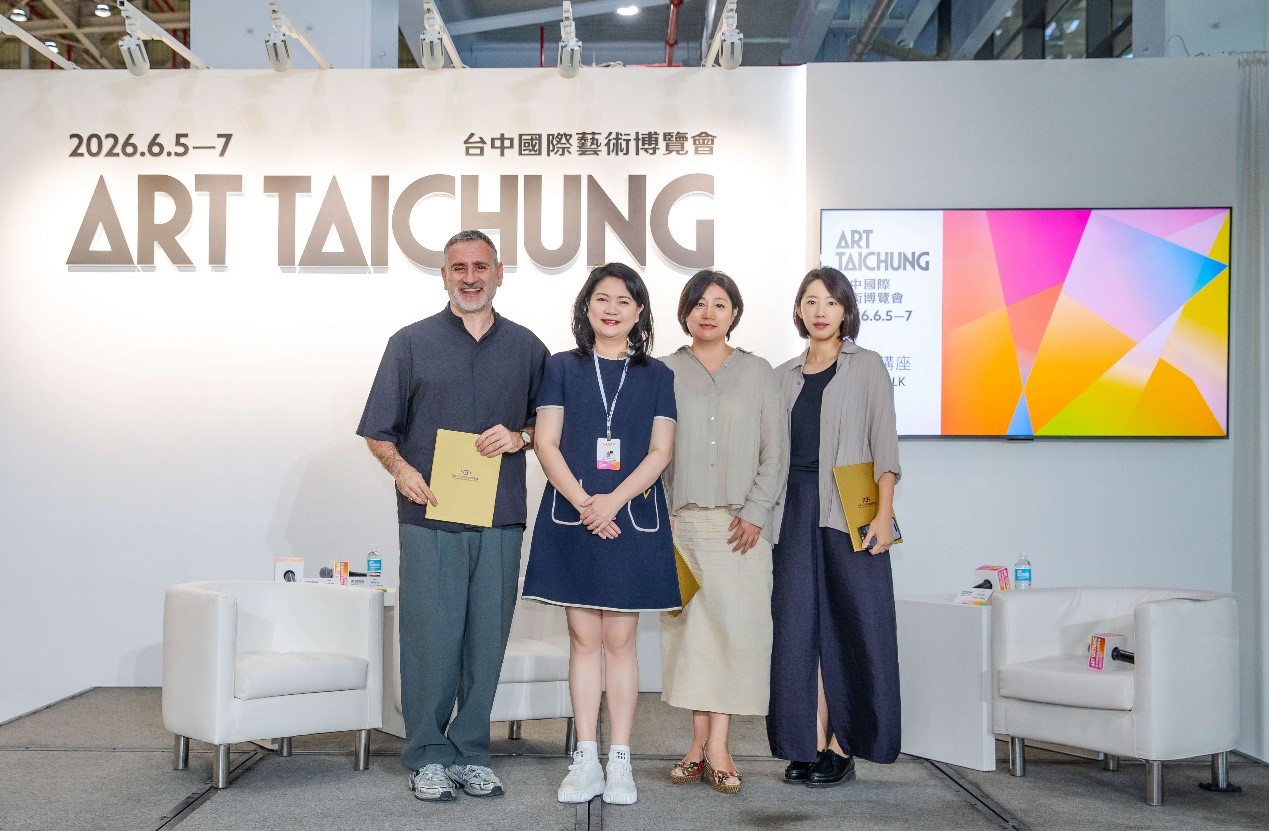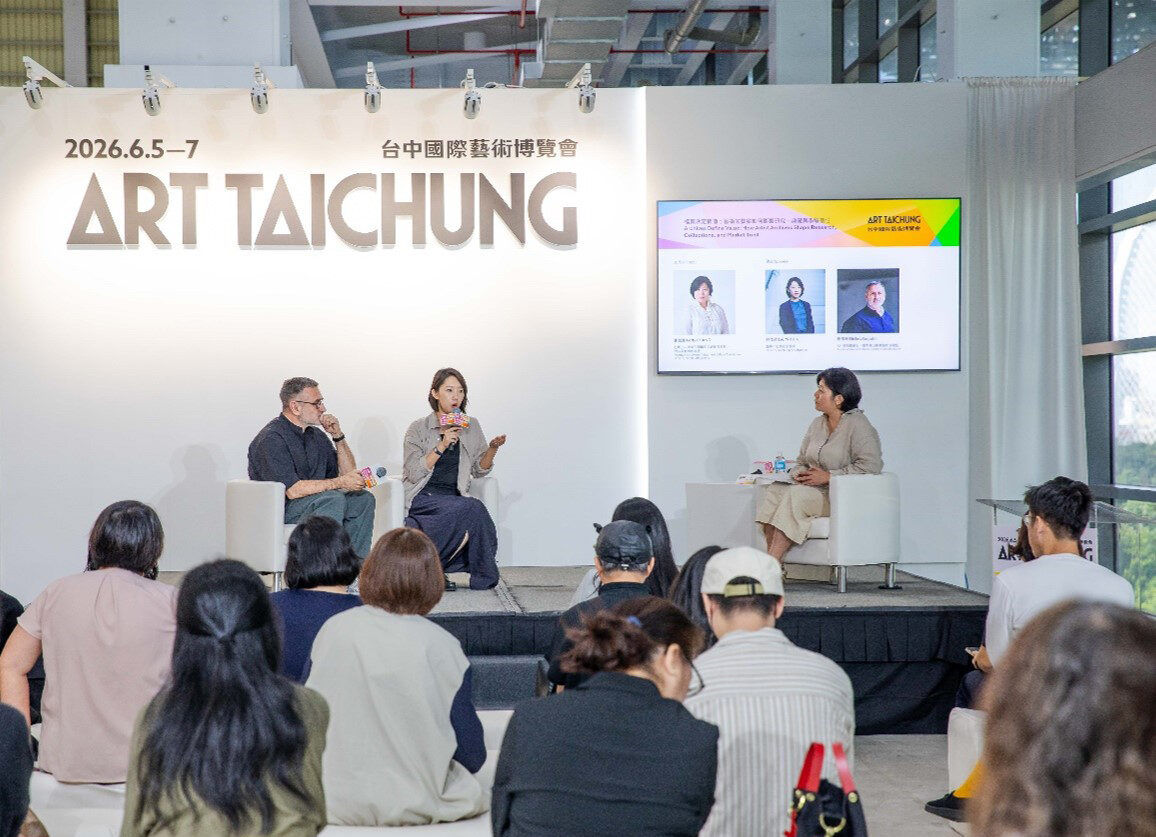
2026台中國際藝術博覽會(ART TAICHUNG)於6月7日舉辦藝術講座「檔案決定價值:藝術家檔案如何影響研究、典藏與市場信任」,邀請臺中市立美術館館長賴依欣、香港M+ (M+, Hong Kong)藏品、檔案庫及圖書館助理總監 Nickos Gogolos,以及社團法人中華民國畫廊協會副理事長張凱廸,共同探討藝術家檔案於當代藝術生態中的角色與發展趨勢。
隨著AI技術發展與數位化環境快速擴張,藝術作品的流通方式與資訊傳播模式產生重大變化。藝術家透過社群媒體發布創作內容,畫廊運用數位平台推廣展覽,作品亦在展覽、市場與典藏機構之間持續流動。在此背景下,如何保存創作過程、研究資料及歷史脈絡,逐漸成為藝術界關注的重要課題。
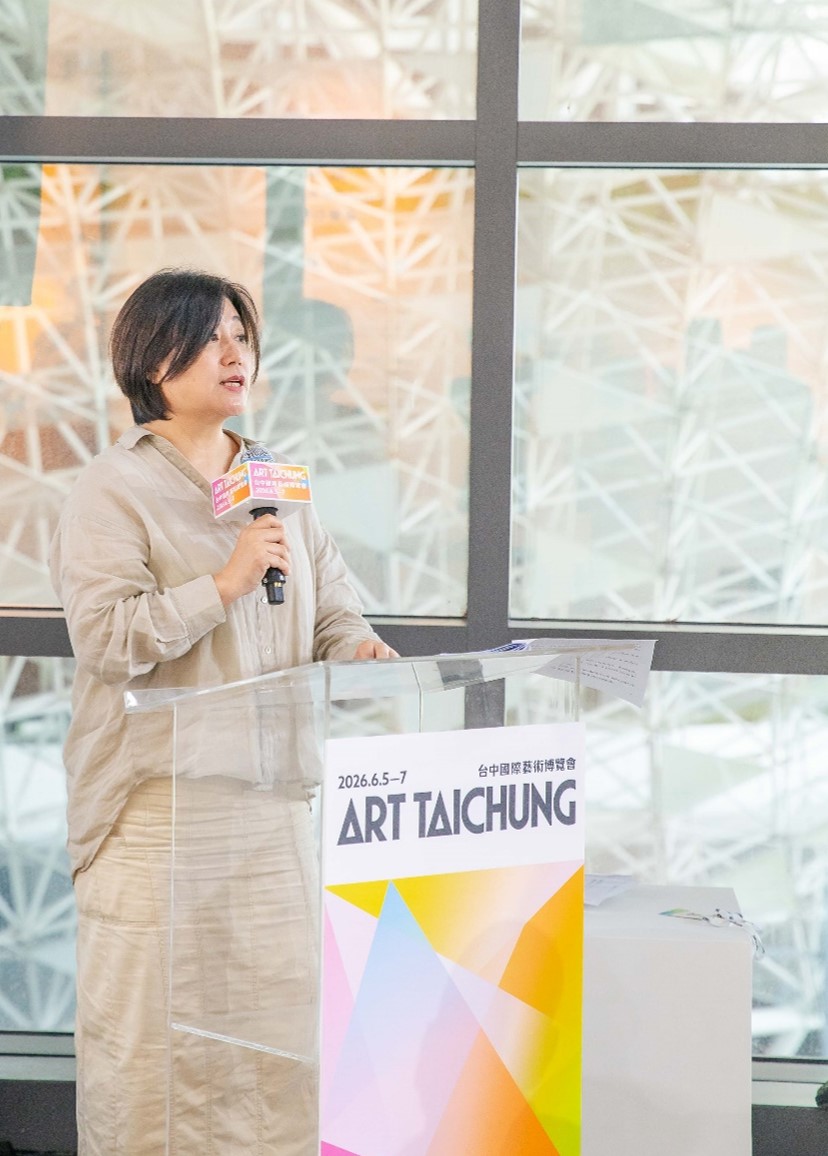
講座中,臺中市立美術館館長賴依欣分享美術館成立後推動藝術家檔案建置的實務經驗。她指出,美術館除肩負典藏與展示功能外,更需透過研究與檔案工作,以多元觀點紀錄區域藝術發展脈絡。館方目前已陸續整理與臺中地區具有重要連結之藝術家手稿、書信、設計圖稿、照片及相關文獻資料,期望透過檔案建構,使藝術家的創作歷程與文化脈絡得以被完整保存與研究。
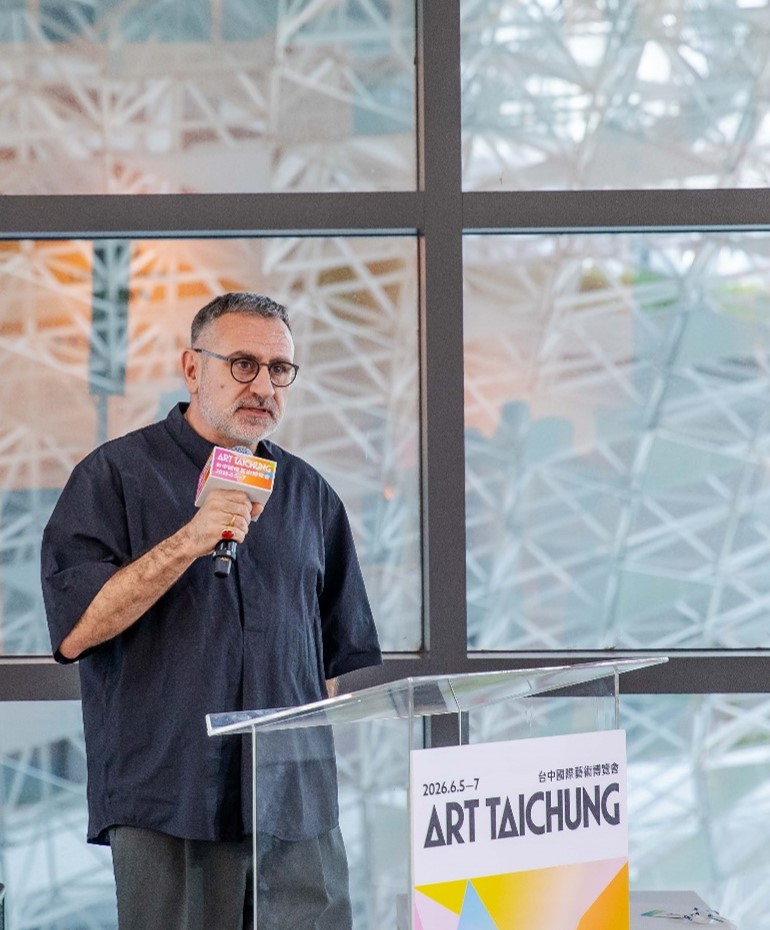
香港M+ 的藏品、檔案庫及圖書館助理總監 Nickos Gogolos 則分享該館近年推動跨領域檔案典藏與研究工作的經驗。香港M+目前典藏涵蓋建築、設計、動態影像與視覺藝術等領域,並透過研究中心及公開閱覽制度,提供研究者與社會大眾使用。其典藏策略除重視作品本身外,亦強調創作過程文件、研究資料及相關檔案群的完整保存,以建構更全面的文化記憶體系。
與會講者亦針對檔案公開與隱私平衡、典藏資源配置、數位科技應用及AI工具發展等議題進行交流。專家指出,在資訊快速流通的時代,檔案不僅是研究資源,更是理解藝術家創作脈絡、建構作品來源紀錄(Provenance)、支撐藝術史研究及文化傳承的重要基礎。
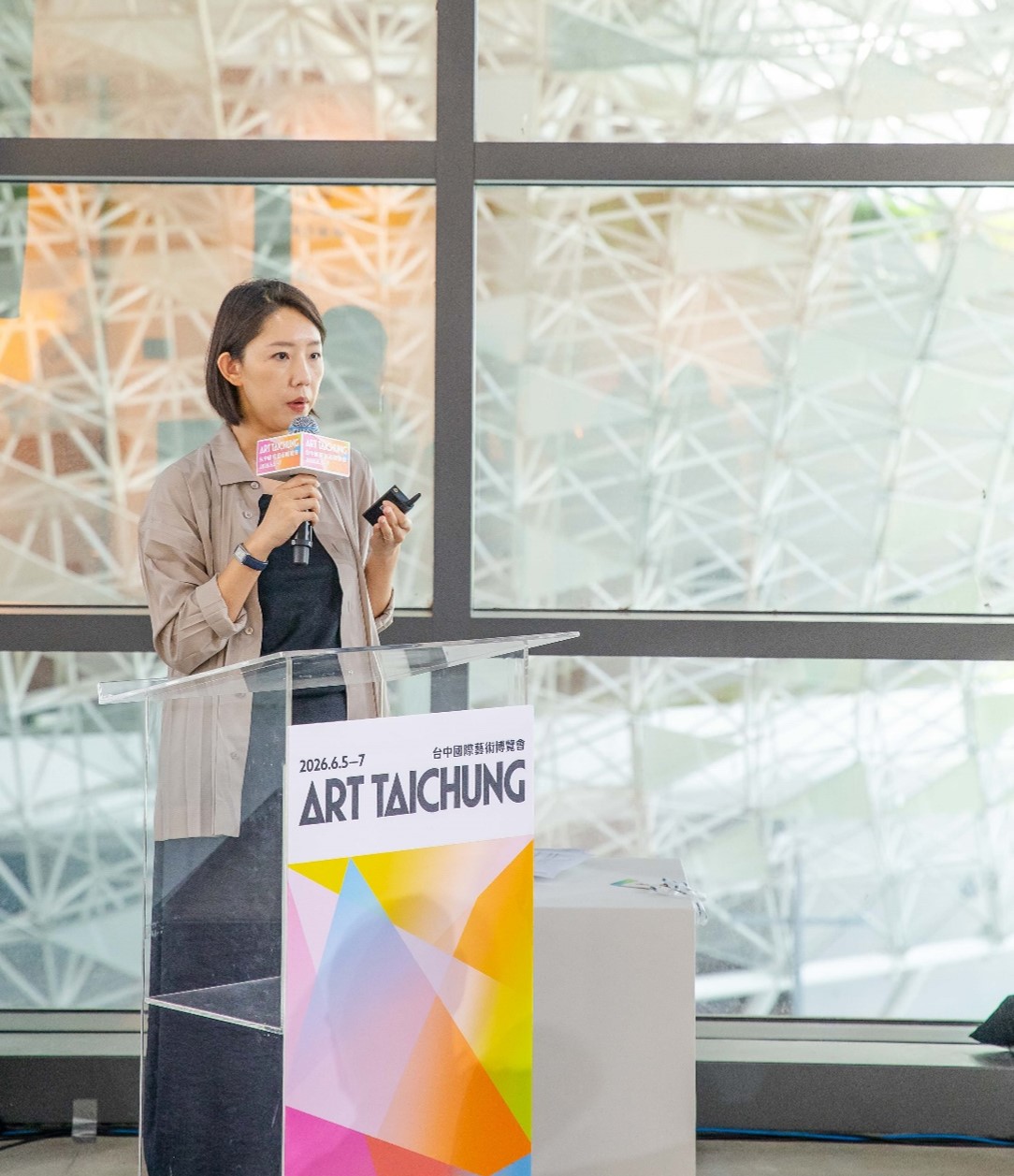
社團法人中華民國畫廊協會副理事長張凱廸表示,當代藝術生態中的作品流通與資訊傳播速度日益加快,藝術家透過社群平台發表創作,畫廊藉由線上 Viewing Room 推廣展覽,收藏家跨地域移動與交流,作品亦持續於展覽、拍賣與市場之間流轉。在此情況下,若缺乏系統性的藝術家檔案建置與保存機制,許多關鍵資訊可能在短時間內散失,進而影響作品研究、來源追溯與市場信任基礎。
與會者普遍認為,藝術家檔案已逐漸從輔助性研究資料,轉變為連結創作、研究、典藏、市場與文化傳承的重要基礎設施。隨著數位時代來臨,檔案工作不僅關乎資料保存,更涉及文化記憶建構、知識生產與公共近用等多重面向,其重要性亦日益受到藝術界與文化機構重視。
作為藝術產業研究與專業知識推廣平台,台北藝術產經研究室(TAERCentre)持續關注藝術家檔案、藝術史料保存與藝術資產管理等議題,並透過藝術家檔案價值建構研究、臺灣畫廊產業史料庫建置及相關研究計畫,促進藝術檔案之保存、研究應用與公共近用,深化藝術史料累積與文化資產治理基礎。
Growing attention on Artist Archive development
Taichung Art Museum and M+, Hong Kong share collection and research practices
On 7 June 2026, the ART TAICHUNG International Art Fair hosted an Art Talk titled “Archives Determine Value: How Artist Archives Shape Research, Collections, and Market Trust”. The event invited Ms. Lai Yi‑Hsin, Director of Taichung Art Museum, Mr. Nickos Gogolos, Associate Director, Collections, Archives and Library at M+ Hong Kong, and Ms. Ketty Chang, Deputy Chairperson of the Taiwan Art Gallery Association, to discuss the role and development of artist archives within the contemporary art ecosystem.
With the rapid advancement of AI technologies and the expansion of digital environments, the circulation of artworks and the modes of information dissemination have undergone significant change. Artists now share their work through social media, galleries increasingly rely on digital platforms to promote exhibitions, and artworks move continuously among exhibitions, markets and collecting institutions. Against this backdrop, questions of how to preserve creative processes, research materials and historical context have gradually become key issues of concern in the art field.
In her presentation, Director Lai shared Taichung Art Museum’s practical experience in developing artist archives after its establishment. She noted that, beyond its core functions of collection and display, the museum also bears the responsibility of documenting regional art histories through research and archival work that reflect diverse perspectives. The museum has begun systematically organizing manuscripts, letters, design drawings, photographs and related documentary materials connected to artists with strong ties to the Taichung area, with the aim of ensuring that their creative trajectories and cultural contexts can be properly preserved and studied.
Representing M+, Nickos Gogolos introduced the museum’s recent efforts in developing cross‑disciplinary archival and collection practices. The M+ Archives and Library collections span architecture, design, moving image and visual art, and are made available to researchers and the wider public through the museum’s research centre. Its collection strategy focuses not only on artworks themselves, but also on the comprehensive preservation of process documentation, research materials and coherent archival groupings, in order to build a more complete system of cultural memory.
Deputy Chairperson of the Taiwan Art Gallery Association, Ms. Ketty Chang, noted that in today’s contemporary art ecosystem, the circulation of artworks and the speed of information dissemination are accelerating. Artists present their creations through social media, galleries promote exhibitions via online viewing rooms, and collectors engage in cross‑regional movement and exchange, while artworks continuously circulate among exhibitions, auctions, and the market. In such a context, the absence of a systematic mechanism for building and preserving artist archives can result in the rapid loss of critical information, which in turn affects scholarship on artworks, provenance research, and the foundations of market trust.
Participants generally agreed that artist archives are gradually evolving from auxiliary research materials into essential infrastructure linking artistic creation, research, collections, the art market, and cultural transmission. With the advent of the digital era, archival work no longer concerns only the preservation of materials; it also encompasses the construction of cultural memory, the production of knowledge, and the promotion of public access. Its importance is increasingly recognised by the art world and cultural institutions.
As a platform for research on the art industry and the dissemination of professional knowledge, the Taipei Art Economics Research Centre (TAERCentre) continues to focus on issues such as artist archives, the preservation of art‑historical materials, and art asset management. Through research on the value‑building of artist archives, the development of the Taiwan Art Gallery Archive (arTchive), and related research projects, TAERCentre seeks to advance the preservation, research use, and public access of art‑related archives, thereby strengthening the accumulation of art‑historical materials and the foundations of cultural heritage governance.